Venue booked, activities agreed, catering confirmed. Transport is often the last thing on the list, and it is usually the thing that unravels first. Corporate away day transport shapes how the whole day runs: whether people arrive together, whether the schedule holds, and whether anyone spends the first hour of a team-building session stuck in a car park.
It also affects who turns up at all. Staff who do not drive, who commute by train, or who are travelling in from another office will quietly opt out if getting there looks like hard work. Organised group travel removes that barrier, keeps your headcount intact and takes a long list of small logistical decisions off your desk. This guide covers how to plan it properly, from choosing between a coach and a minibus to handling multiple pickups and the journey home.
Why organised group transport matters for corporate away days
It keeps colleagues together. One vehicle means one arrival time. Your agenda starts when you said it would, rather than when the last car finds a space.
It removes the variables. Twenty people driving separately means twenty routes, twenty parking decisions and twenty chances of a delay. A single coach or minibus collapses all of that into one plan you control.
It includes everyone. Not every colleague drives, and not everyone is comfortable claiming fuel back or car-sharing with people they barely know. Arranged staff transport for events puts everyone on equal footing.
It makes the journey part of the day. Team-building tends to start on the vehicle. People talk to colleagues they do not normally sit near, and by the time you arrive the group has already warmed up.
It cuts admin.No mileage claims, no parking receipts, no chasing directions, no last-minute reshuffling because someone’s lift fell through.
It supports a safe journey home. If your away day ends with a meal, drinks or an awards evening, a pre-booked return removes any question about who is driving. That matters both for duty of care and for how relaxed people feel on the day.
Coach or minibus: choosing the right vehicle
The decision usually comes down to headcount, but not only headcount. Luggage, activity equipment, accessibility needs and the number of pickup points all influence it.
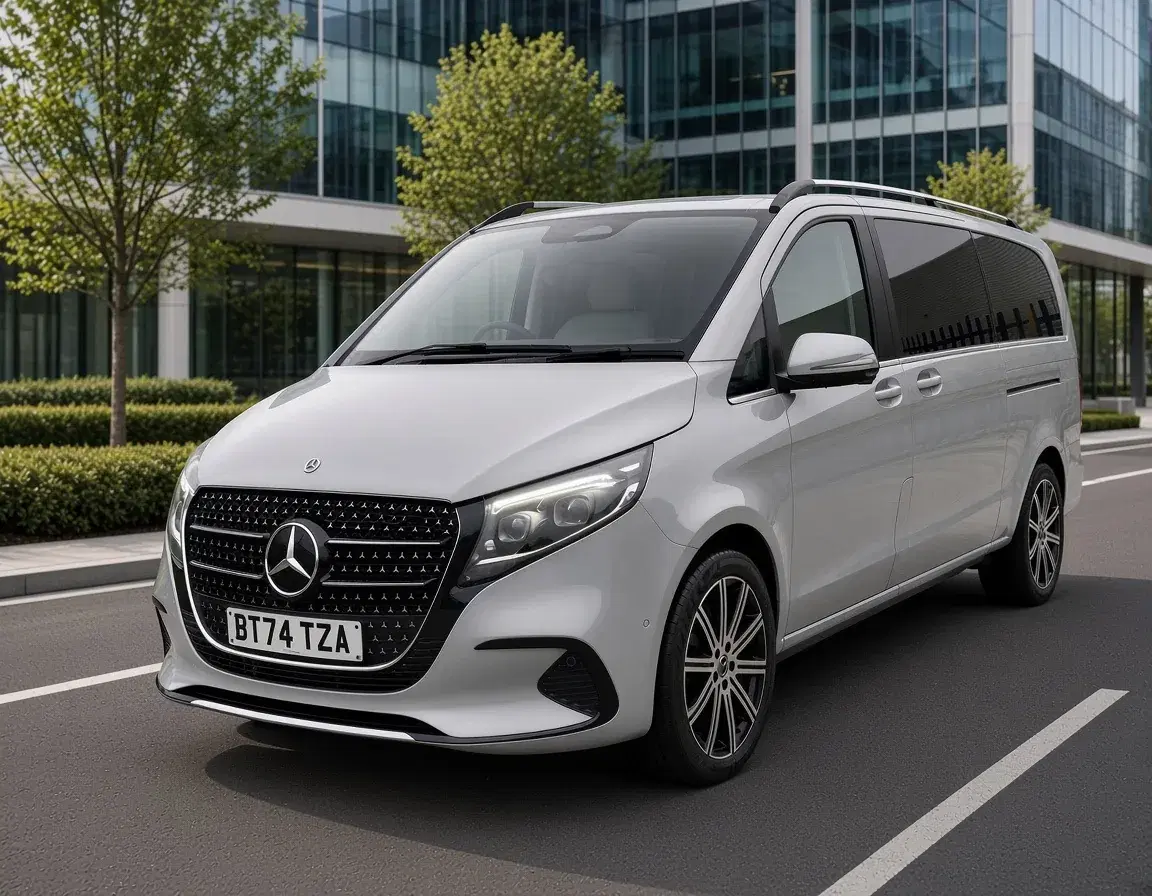
A minibus suits smaller teams, tighter roads and venues with restricted access. It is often the better choice for a single department heading to an off-site meeting, or for a group that needs to be dropped close to an entrance.
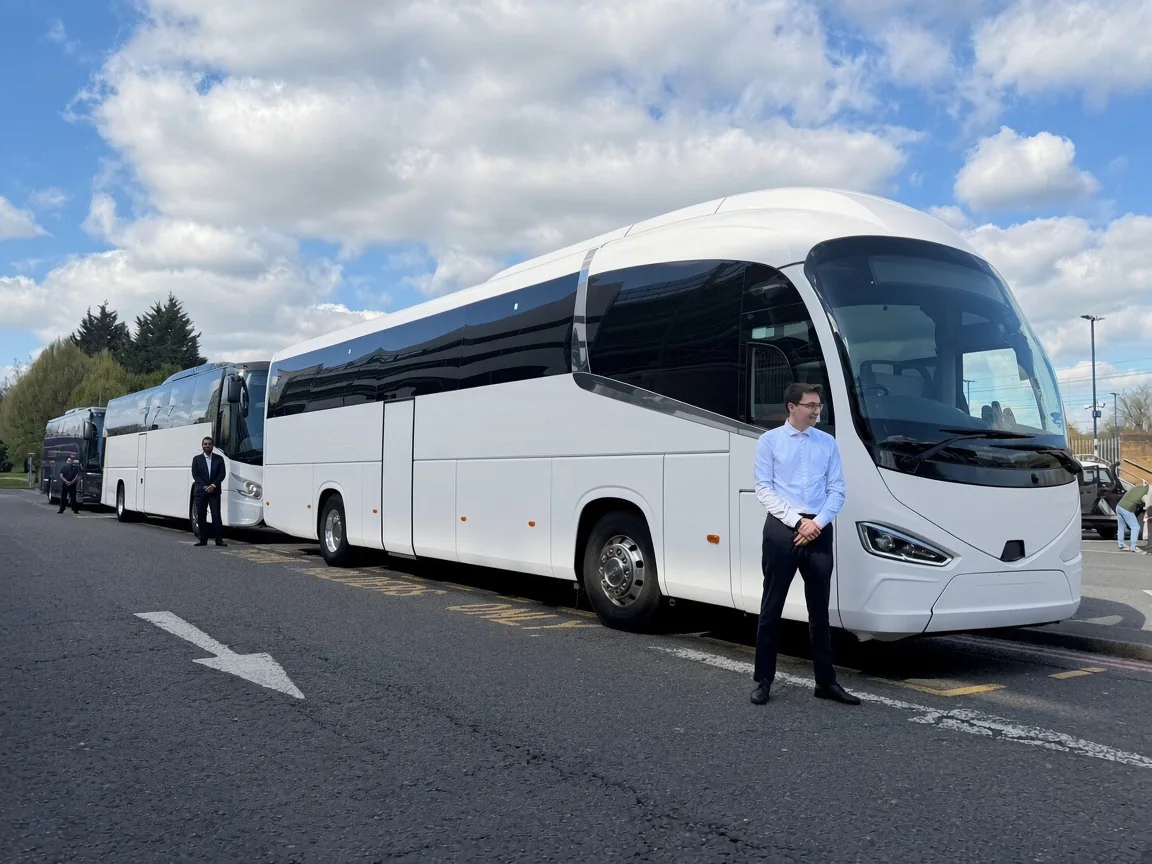
A full-size coach becomes the sensible option once you pass roughly thirty passengers, or when you want luggage space, on-board comfort for a longer journey and a single vehicle rather than a convoy. For senior leadership groups, client-facing events or longer motorway runs, an executive standard vehicle is worth specifying at the quote stage.
| Group size | Suitable vehicle option | Best suited to | Key planning consideration |
|---|---|---|---|
| 8 to 16 passengers | Minibus with driver | Department away days, off-site meetings, small training groups | Luggage space is limited, so confirm bags and equipment early |
| 16 to 32 passengers | Midi coach | Team-building days, client hospitality, mid-size conference groups | Check venue access and turning space before confirming vehicle size |
| 48 to 53 passengers | Full-size coach | Whole-company away days, summer and Christmas events | Confirm the venue can accept a full-size coach and has a safe drop-off point |
| 61 to 72 passengers, or multiple pickup points | Large coach or multiple vehicles | Large staff events, multi-site businesses, split departures | Agree timings per vehicle and nominate a coordinator for each pickup |
If you are weighing up options for a company event, our corporate coach hire page sets out the vehicle range and services in more detail.
Plan your corporate away day transport in 7 steps
1. Confirm final passenger numbers
Work from confirmed attendance, not the invite list. Away day RSVPs drift in both directions, so set a cut-off date for confirmations and quote against that number. Undercounting means someone follows in their own car. Overcounting means you pay for seats you do not use.
2. Gather pickup locations and timings
Decide early whether you are collecting from one place or several. Ask for postcodes, not building names, and check whether the vehicle can legally and safely stop there. Office forecourts, hotel entrances and station approaches vary enormously in what they allow.
3. Choose the right vehicle size
Match the vehicle to the group plus the equipment. A team of twenty with presentation kit, banners and overnight bags has different requirements to a team of twenty travelling light. Say what you are carrying. For smaller groups, minibus hire with driver is usually the more practical option.
4. Check venue access and coach parking
This is the step most organisers skip. Ring the venue and ask three questions: can a full-size coach reach the entrance, is there a designated drop-off point, and can the vehicle park on site or does the driver need to relocate. Rural activity centres, historic buildings and city-centre venues all have constraints worth knowing before you book.
5. Plan luggage, equipment and accessibility needs
Sports kit, exhibition stands, laptops, prizes and catering supplies all take space. Accessibility requirements need flagging at the point of enquiry rather than on the morning, so the right vehicle specification can be arranged.
6. Build in realistic travel and contingency time
Work backwards from the time your first session starts, then add a buffer. Motorway traffic around Birmingham, Manchester and the M25 corridor is unpredictable at peak times. Thirty minutes of contingency is cheap insurance against a compressed agenda.
7. Confirm the return journey and driver waiting arrangements
Decide whether the vehicle waits on site or returns later. Waiting gives you flexibility if the day overruns. A booked return collection can suit longer gaps, such as a full day at a venue followed by an evening meal. Agree this in advance, because driver hours are regulated and cannot be extended on the day.
Managing multiple pickup points
Few companies have all their staff in one building. If your team is spread across sites, or people commute in from different directions, a multi-stop route can lift attendance significantly.
The practical options are the office itself, a main rail station, a park-and-ride site or an agreed central meeting point such as a landmark with safe stopping space. Each added stop makes the day easier for one group and slightly longer for everyone already on board.
That is the trade-off. A single pickup is the most efficient option: one departure time, one briefing, the shortest journey. Multiple pickups add journey time and can increase cost if they extend the route or the driver’s hours, but they remove the “I would have to drive across the city first” objection that keeps people at their desks.
A workable middle ground is two pickups: the main office and one transport hub. Give each stop a firm departure time, nominate someone at each point to confirm the headcount, and make clear that the vehicle leaves on schedule.
Corporate events that benefit from coach or minibus hire
- Team-building days. Activity venues are often rural, so confirm access and surface conditions for larger vehicles.
- Company conferences. Delegates usually carry materials and overnight bags, so prioritise luggage capacity. Event and conference transport often runs as a shuttle rather than a single journey.
- Meetings at off-site venues. Short hops benefit from a vehicle that waits rather than returning empty.
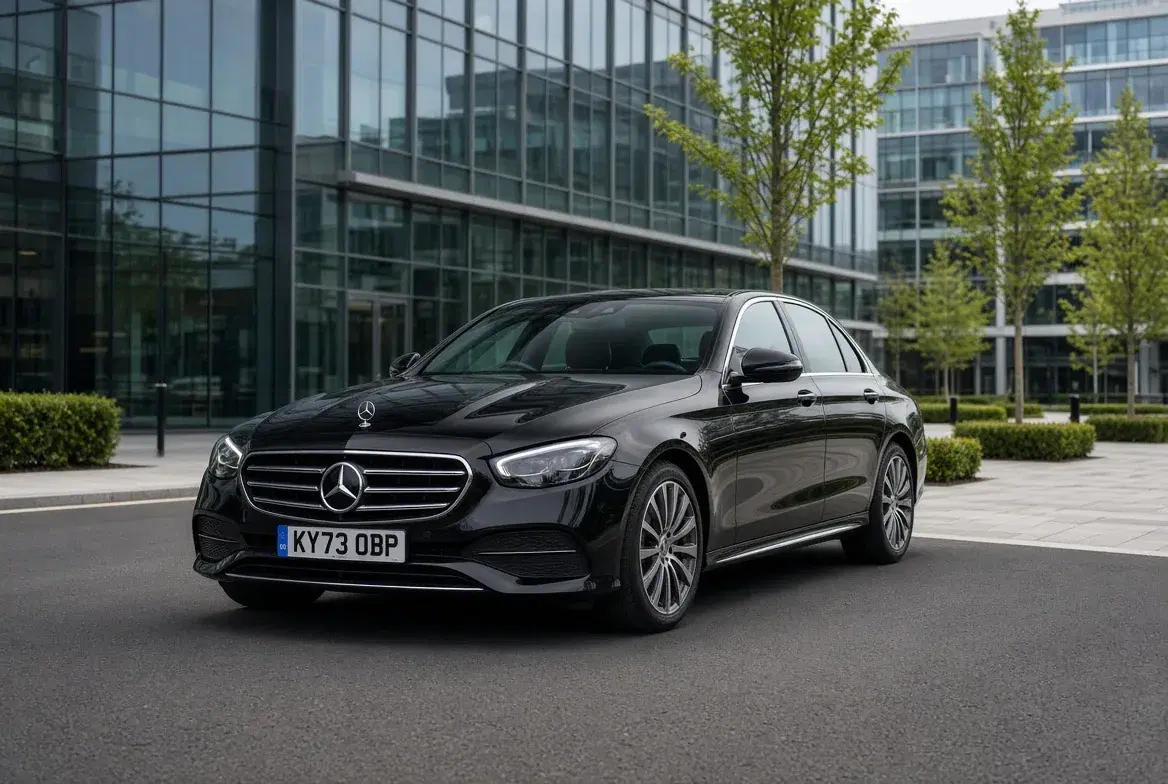
- Corporate hospitality. Comfort and arrival presentation matter, so consider an executive specification.
- Client entertainment. Agree a clear return time so guests are never left waiting.
- Summer parties. Outdoor venues can have soft ground, so check where the vehicle can safely stop.
- Christmas parties. Book early. Availability tightens well ahead of the December period.
- Training days. Recurring sessions suit a repeat booking pattern with fixed timings.
- Staff airport transfers. Build in extra time for check-in and confirm terminal drop-off points. Group airport transfers are worth booking as a single arrangement rather than individual taxis.
- Multi-site company visits. A single vehicle for the full itinerary is simpler than arranging transport at each location.
- Company retreats. Multi-day trips need clarity on driver arrangements and overnight vehicle parking.
A sample corporate away day itinerary
A Birmingham-based company of forty staff is holding a team-building day at an activity venue in Warwickshire, followed by an evening meal.
07:45 Coach arrives at the city-centre office and parks in the agreed loading bay. The organiser briefs the driver on timings and the return plan.
08:00 Departure from the office. A second, smaller group joins at a central meeting point near the station at 08:15, covering colleagues travelling in by train.
09:15 Arrival at the venue, ahead of a 09:45 session start. The buffer absorbs any traffic on the route out of the city.
09:45 to 17:30 The driver either waits on site or departs and returns at an agreed collection time, depending on venue parking and driver hours.
17:45 Collection from the venue and transfer to the evening meal location.
21:30 Return journey, dropping at the station meeting point first and the office last.
For the organiser, the value is a single confirmed plan. One point of contact, one set of timings, no mileage claims, and no colleague deciding at 21:00 whether they are fine to drive. Where senior staff or clients are travelling separately, chauffeur and executive travel can run alongside the main group vehicle.
What information do you need for an accurate quote?
- Date of travel
- Number of passengers
- Pickup point or points, with postcodes
- Destination, with postcode
- Required arrival time and return time
- Whether the journey is one-way, return or multi-stop
- Vehicle preference, if you have one
- Luggage, sports equipment, presentation equipment or accessibility requirements
- Whether the vehicle needs to wait on site or return later
The more of this you can supply at the enquiry stage, the more accurate the response. Passenger numbers, timings and access details determine which vehicle is suitable and which operator in our nationwide network is best placed to cover the route, so clear information from the outset means fewer follow-up questions and a firmer plan.
Frequently asked questions
How far in advance should I book corporate away day transport?
Book as early as you can once your date and venue are confirmed. Peak periods such as December, summer event season and conference season fill up well in advance, so an early enquiry gives you a wider choice of vehicle. If your date is still moving, a provisional enquiry is still worth making.
Can we arrange more than one pickup point?
Yes. Multi-stop routes are common for companies with staff across several sites. Share all postcodes and preferred timings when you enquire so the route can be planned realistically.
Is a coach or minibus better for a corporate event?
Minibus hire with driver suits groups of roughly 8 to 16 and venues with restricted access. A full-size coach suits larger groups, longer journeys and events where luggage space matters. Group size, access and equipment decide it.
Can the vehicle wait while our team attends an activity or meeting?
Often yes, subject to venue parking and regulated driver hours. Confirm the expected duration when you enquire so waiting time or a return collection can be built into the plan.
Can we arrange corporate transport for an evening event?
Yes. Evening and late returns are routine for Christmas parties, awards nights and client dinners. Agree the return time in advance so it fits within the driver's permitted hours.
What information is needed to get a corporate transport quote?
Date, passenger numbers, pickup and destination postcodes, required timings, journey type and any luggage or accessibility needs. Vehicle preference is helpful but not essential.
Good corporate away day transport is mostly preparation. Confirm your numbers, check venue access, agree the return arrangements early, and the rest of the day gets easier. Get those decisions made in advance and you remove the two things most likely to disrupt a company event: late arrivals and an unclear journey home.
Ready to plan your team’s journey?
Planning a corporate away day, conference or staff event? Coach Hire Network can help arrange coach, minibus or executive group travel tailored to your itinerary.